The risks of storing old IT equipment
Out of sight, out of mind. Every device sitting in a cupboard is still a growing liability.
Published
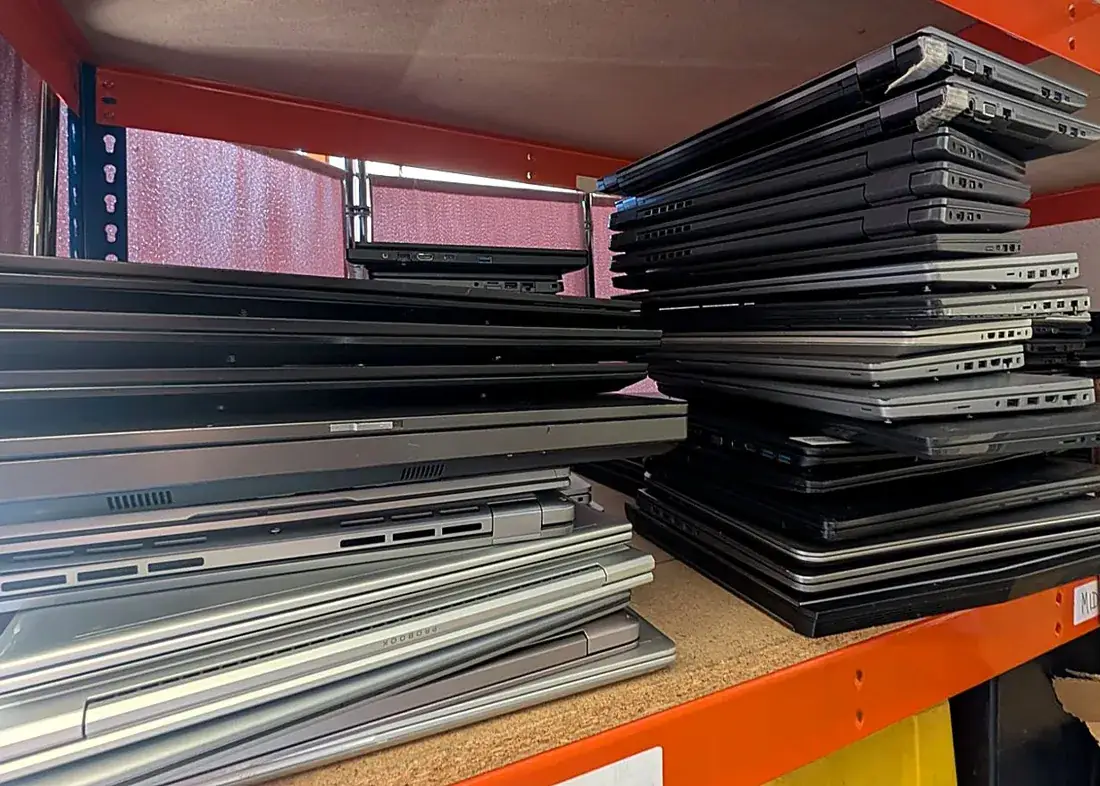
Old laptops, desktops, phones and hard drives often sit untouched for a long time before anyone decides what to do with them. It feels harmless. It isn't.
Data doesn't disappear on its own
A meaningful share of discarded devices still hold readable data even after a basic wipe or reset: cached credentials, documents, emails, all of it capable of sitting there indefinitely. Most IT cupboards aren't secured like a server room either: cleaners, contractors and temporary staff often have wider access than anyone realises, and a device that goes missing from a discard pile might not be noticed for months.
There's a physical risk too
Lithium-ion batteries don't like being left unused. Over time they can swell, leak or fail, turning forgotten tech into a genuine fire risk, not just a data one.
And compliance doesn't wait
Under UK GDPR, "we forgot about it" isn't a defence. If a stored device containing personal data is lost or compromised, the organisation is still fully liable, with fines that can run into the millions.
It's a financial drain too
Hardware loses resale value the longer it sits unused, so the sooner it is processed, the more of that value can be recovered. Meanwhile it takes up office space you are paying for.
Deal with it early
Our approach: once a device is decommissioned, get it processed within 30 days. That means the risk is removed with a certified, audited trail, any remaining value is recovered while it still has some, and the hardware gets reused before it becomes low-value e-waste rather than after.
The evidence
What the evidence says
Tell us what you have and where it is
No obligation. If we are not the right fit we will say so.